Trace every signal
Processor paths, input sources, and cabinet groups are named so teams can diagnose issues quickly.

NovaStar grew around the control questions that sit between LED hardware and the audience: how processors carry signal reliably, how receiving cards remain traceable, how calibration files are managed, and how operators keep a screen steady when a venue is live.

The NovaStar approach starts with a simple idea: a professional LED wall is only as dependable as the control decisions behind it. Cabinet pitch, processor load, source routing, color correction, and firmware maintenance each appear technical in isolation, yet the owner experiences them as one screen. When those details are planned together, the installation feels controlled instead of fragile.
Pixel performance is a system outcome. The processor, calibration method, receiving card map, and operator record have to agree before the first live cue.
That belief shapes how NovaStar content, service guidance, and product conversations are written. The company speaks to AV integrators, technical directors, system designers, rental engineers, and commercial media operators who need precise answers rather than generic display claims. A stadium team may care about instant failover and daylight visibility. A control room may prioritize steady luminance and source naming. A studio may need camera friendly refresh behavior and grayscale repeatability. NovaStar keeps those requirements close to the project workflow.
Processor paths, input sources, and cabinet groups are named so teams can diagnose issues quickly.
Calibration decisions are recorded with the wall, not left as memory in one technician's notebook.
Backup routing and service procedures are considered before operators need them.
Documentation turns complex LED behavior into steps a venue team can follow.
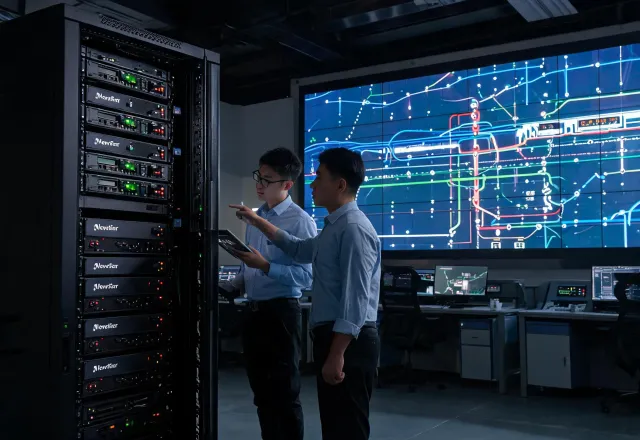
NovaStar content is written for the people who answer when a display cannot wait: the AV engineer at a stage call, the control room operator during a shift change, the distributor preparing a replacement processor, and the integrator explaining why calibration files matter. The company treats training, support language, and practical product guidance as part of the display system.
That mindset also shapes product category conversations. LED Displays and Digital Signage are not presented as isolated objects; they are treated as long running visual systems that require control planning, future service access, and compatibility awareness. NovaStar's global market perspective helps customers compare project demands across fixed installs, rental environments, and networked signage rollouts without losing the technical details that matter at commissioning.
Share the display application, rough wall size, expected content sources, and any processor family already being considered. A focused brief helps the technical discussion start in the right place.