Processor mapping
Signal routing is planned around cabinet topology, receiving card behavior, and practical service access.

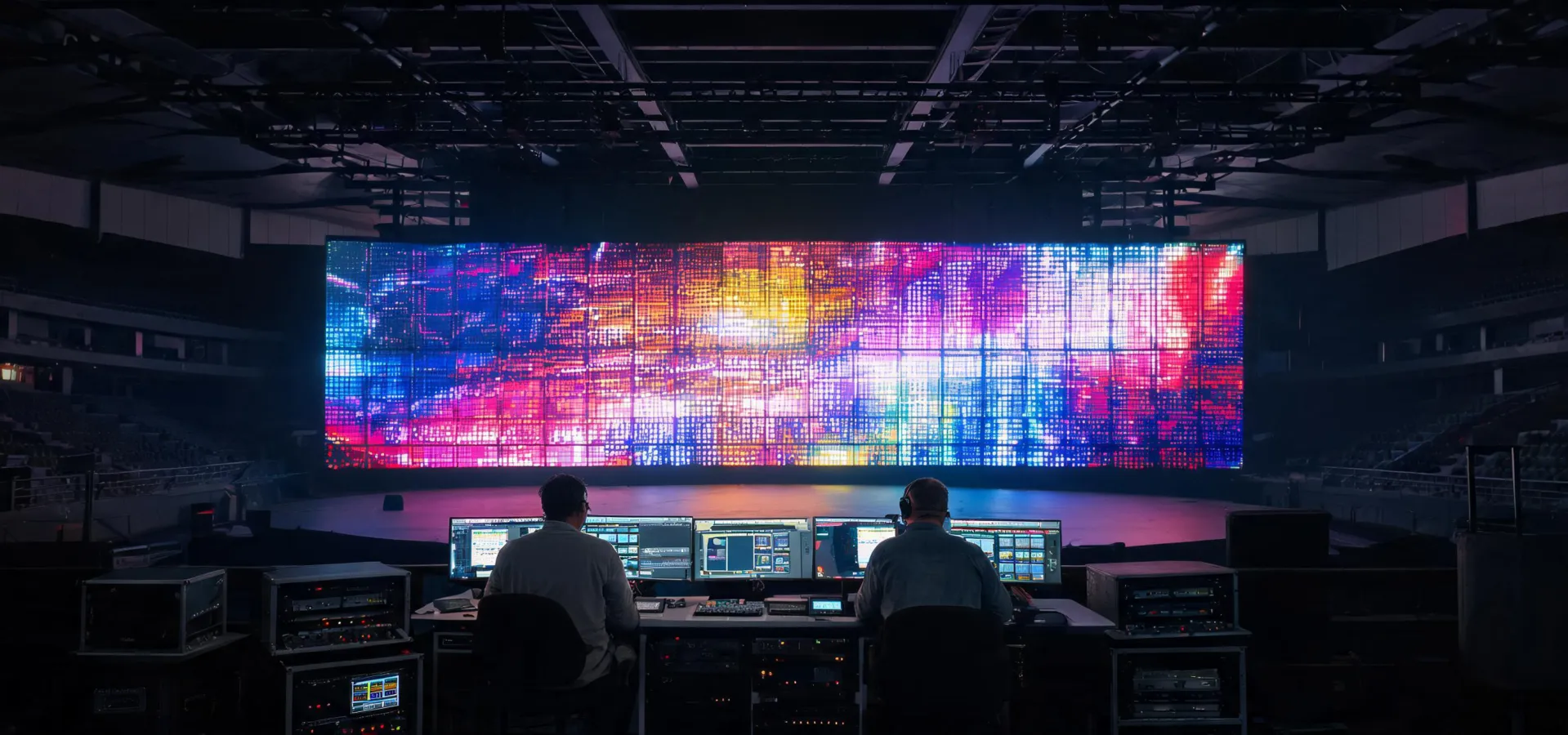
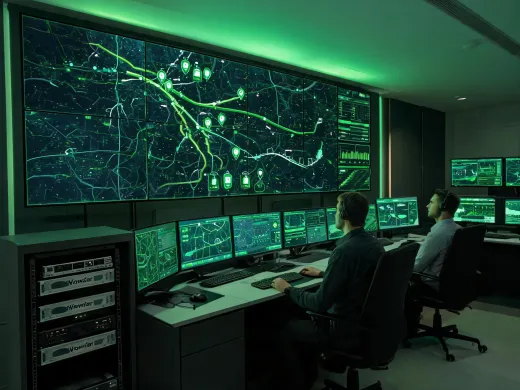
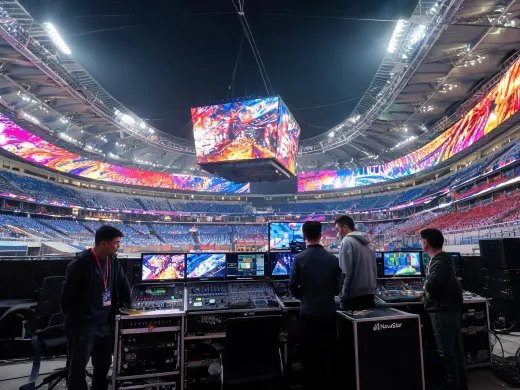
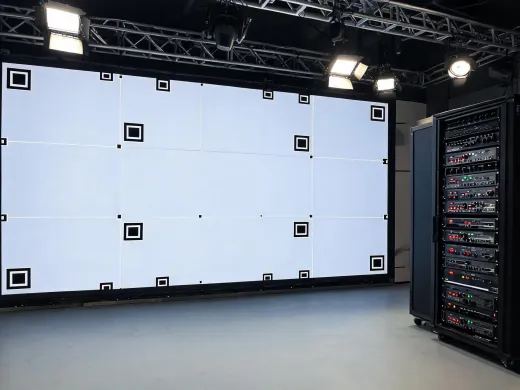
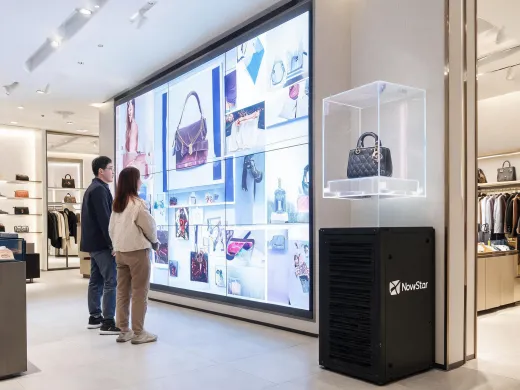
Control rooms, stadium bowls, broadcast studios, and retail media networks use NovaStar workflows to keep brightness, color, routing, and backup behavior predictable across every cabinet.
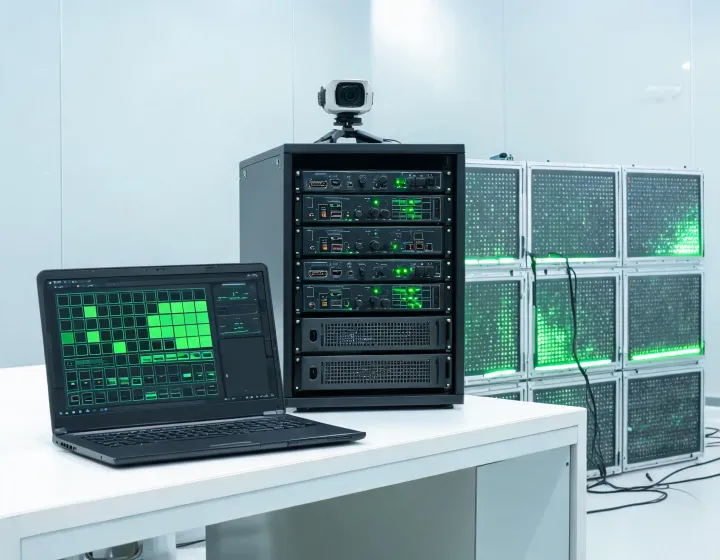
NovaStar focuses on the operational layer that integrators feel every day: how a processor maps cabinets, how color is corrected after service swaps, how redundant signal paths fail over, and how operators recover quickly when venue conditions change.
Signal routing is planned around cabinet topology, receiving card behavior, and practical service access.
Color and brightness correction workflows help mixed LED batches look consistent in the same wall.
Backup input and controller scenarios are documented so venue teams can switch without panic.
Control desks, monitoring panels, and media servers can connect to NovaStar logic through planned interfaces.
Upgrade windows are sequenced for rental fleets, fixed installations, and mixed processor generations.
Screen performance is judged in the room, not in a brochure. These scenarios show the kinds of density, camera interaction, and uptime pressure that shape NovaStar project planning.
Multi-source walls, strict uptime, fine color tuning, and operator friendly fallback routes.
Fast cabinet swaps, touring processor presets, and clear recovery steps between rehearsals.
Premium color uniformity, low noise control rooms, and brand media that remains consistent.
High visibility schedules, redundant signal planning, and maintenance windows outside peak traffic.
Camera aware refresh behavior, grayscale calibration, and repeatable playback for production teams.
Share cabinet pitch, wall size, source count, processor family, and calibration goals. NovaStar can help shape a practical path for commissioning and support.